
Bufo vs Ayahuasca: Key Differences, Effects, Traditions, and Safety
A Bufo ceremony in Colombia may attract the attention of travelers interested in ancestral traditions, spirituality, and altered states of consciousness. However, Bufo and Ayahuasca, also known as Yagé in Colombia, are different practices involving distinct psychoactive compounds, cultural contexts, and potential risks.
Understanding the differences between a Bufo ceremony in Colombia and a traditional Ayahuasca ceremony is important for anyone researching these subjects. Although both are associated with profound subjective experiences, they should not be treated as interchangeable or assumed to belong to the same Indigenous traditions.
In this guide, we explore the differences between Bufo and Ayahuasca, including their origins, psychoactive compounds, subjective effects, duration, cultural contexts, and safety considerations.
1. Bufo Ceremony in Colombia: What Is Bufo?
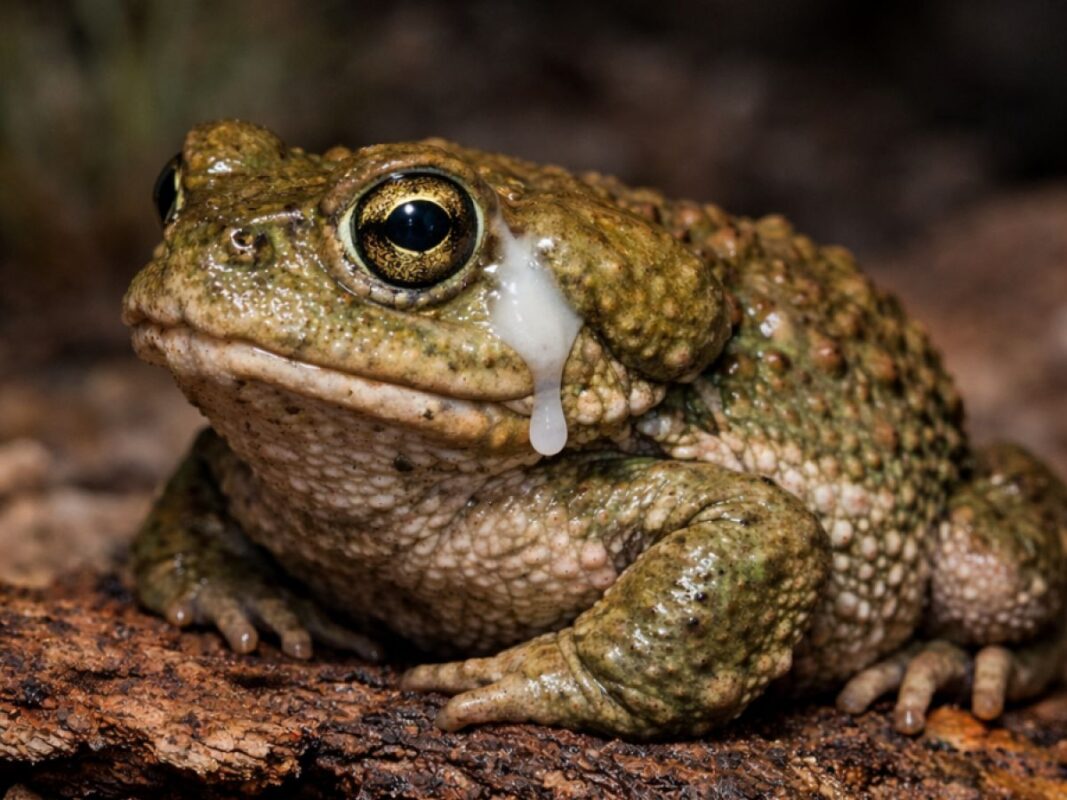
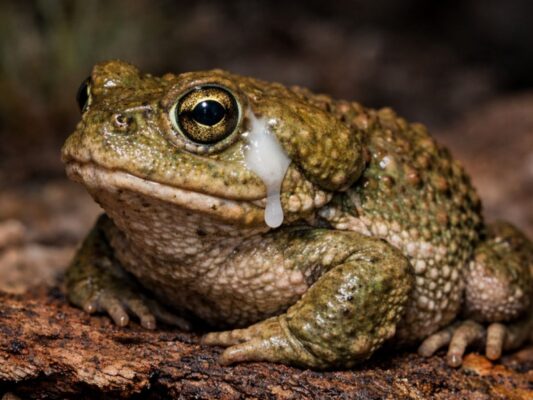
The term Bufo is commonly used to describe preparations associated with the secretion of the Sonoran Desert toad (Incilius alvarius), which contains the psychoactive compound 5-MeO-DMT. The term is sometimes used loosely, so it is important to distinguish the toad itself, its secretion, and preparations derived from it.
5-MeO-DMT can produce an intense and rapidly developing alteration in consciousness. Experiences vary, and some people may find the effects overwhelming, frightening, or difficult to process.
Anyone researching a Bufo ceremony in Colombia should understand that Bufo-related practices are not interchangeable with traditional Ayahuasca ceremonies. They involve different substances and histories, and they should not automatically be presented as part of Colombian Indigenous Yagé traditions.
2. What Is Ayahuasca or Yagé in Colombia?
Ayahuasca is a traditional psychoactive brew associated with Indigenous peoples and other communities across the Amazon basin. In Colombia, it is widely known as Yagé.
Traditional preparations commonly combine a vine containing harmala alkaloids, such as Banisteriopsis caapi, with a plant containing DMT. The harmala alkaloids inhibit monoamine oxidase A, allowing orally ingested DMT to become psychoactive.
Ayahuasca has a range of cultural and ceremonial meanings. Depending on the community, ceremonies may involve songs, prayers, guidance from experienced traditional practitioners, and time for reflection and integration.
For readers interested in learning about traditional ceremonies in Colombia, our Ayahuasca retreat in Medellín page provides more information about our traditional Yagé experience and its cultural setting.
3. Bufo Ceremony in Colombia vs. Ayahuasca: Psychoactive Compounds
One of the most important differences between Bufo and Ayahuasca is their chemistry.
Bufo preparations associated with the Sonoran Desert toad contain 5-MeO-DMT. Ayahuasca generally contains DMT combined with harmala alkaloids that change how DMT is metabolized when consumed orally.
These compounds interact with the body and brain in different ways. As a result, their effects, duration, and risks are not the same.
The composition of a preparation can also vary. A name or label alone cannot guarantee its contents, purity, or strength.
4. Bufo Ceremony in Colombia: Effects and Subjective Experiences
Experiences Associated With Bufo
People who describe Bufo experiences often report a sudden and intense change in their sense of self and surroundings. Some describe a feeling of unity or a loss of their usual sense of identity, while others report confusion, fear, or distress.
Because the onset can be rapid and the effects intense, the experience may be difficult to process. Personal accounts are subjective and do not mean that everyone will respond in the same way.
Experiences Associated With Ayahuasca
Ayahuasca experiences can involve vivid imagery, emotional memories, changes in perception, introspection, and a heightened sense of connection to nature or spirituality. Some people report confronting difficult emotions, while others experience anxiety, nausea, fear, or physical discomfort.
Traditional ceremonies may provide a cultural and communal framework for interpreting the experience. However, no ceremony can guarantee a particular emotional, spiritual, or therapeutic outcome.
Why These Experiences Are Different
When comparing a Bufo ceremony in Colombia with an Ayahuasca ceremony, it is misleading to assume that one is simply a stronger or more advanced version of the other. They involve different compounds and can produce very different experiences.
The meaning a person gives to an experience may also be shaped by personal expectations, cultural context, psychological state, and the support available before and afterward.
5. Bufo vs. Ayahuasca: Duration and Intensity
The duration of effects differs significantly.
Experiences involving 5-MeO-DMT are often described as brief but intense, although timing and effects vary depending on the preparation and individual circumstances. A short duration does not mean that an experience is automatically safe or easy to manage.
Ayahuasca generally has a longer period of noticeable effects, often lasting several hours. The experience may unfold gradually and involve changes in perception, emotions, and physical sensations.
Neither duration nor intensity is a reliable measure of spiritual value, therapeutic benefit, or personal growth.
6. Bufo Ceremony in Colombia: Cultural Traditions and Context
Ayahuasca, known as Yagé in Colombia, has longstanding connections to Indigenous cultures and ceremonial practices throughout parts of the Amazon basin. Traditional practices differ between communities and should be understood within their specific cultural contexts.
Bufo-related practices have a different history and should not automatically be presented as part of the same traditions as Colombian Yagé ceremonies.
When researching a Bufo ceremony in Colombia, readers should ask about the practitioner’s background, the origins of the practice, the setting, participant consent, and the availability of appropriate support. Cultural claims should be transparent and should not imply Indigenous authorization or lineage without evidence.
For people interested specifically in traditional Yagé practices, it is important to learn about the community, the practitioner’s experience, and the cultural context in which the ceremony takes place.
7. Bufo vs. Ayahuasca: Safety, Preparation, and Risks
Both substances can involve significant risks. Neither should be regarded as automatically safe because it is described as natural, traditional, spiritual, or ceremonial.
Potential Risks of Bufo
5-MeO-DMT can cause intense psychological effects and acute physical reactions. Serious complications may occur, particularly when substances are combined, when their contents are uncertain, or when health screening and emergency support are inadequate.
Combining 5-MeO-DMT with other psychoactive substances can be particularly dangerous. A qualified healthcare professional should assess personal health risks and potential medication interactions.
We invite you to explore our Bufo ceremony through the following link
Questions to Ask Before Any Ceremony
Before considering either experience, ask about:
-
Health screening and how medical conditions are assessed.
-
Medication and substance interactions.
-
Emergency procedures and access to medical assistance.
-
The practitioner’s training, experience, and cultural background.
-
Consent, participant boundaries, and support available afterward.
A responsible provider should be transparent about risks and limitations, avoid promising cures, and respect a person’s decision not to participate.
For general information about DMT and its effects, readers can consult the National Institute on Drug Abuse (NIDA). This resource is educational and is not a substitute for individual medical advice.
8. Bufo Ceremony in Colombia: Integration and Personal Meaning
Integration refers to reflecting on an experience and considering how, if at all, its insights relate to everyday life.
Some people find journaling, quiet reflection, time in nature, or conversations with a trusted support person helpful. Others may benefit from professional mental health support, particularly if an experience brings up distressing memories or persistent psychological symptoms.
An intense experience does not necessarily produce lasting change. Personal growth depends on many factors, and a dramatic altered state should not be treated as proof of healing or spiritual progress.
9. Bufo Ceremony in Colombia: Frequently Asked Questions
Are Bufo and Ayahuasca the same thing?
No. Bufo commonly refers to preparations associated with 5-MeO-DMT from the Sonoran Desert toad, while Ayahuasca is a traditional brew that generally combines DMT-containing plants with plants containing harmala alkaloids. Their chemistry, effects, histories, and risks differ.
Is Bufo part of traditional Colombian Yagé ceremonies?
Bufo-related practices should not automatically be described as part of traditional Colombian Yagé ceremonies. They have different contexts and histories, and cultural claims should be checked carefully.
How long do their effects last?
Experiences involving 5-MeO-DMT are often described as relatively brief, while Ayahuasca experiences commonly last several hours. Actual duration varies, and shorter experiences are not necessarily safer.
Can Bufo and Ayahuasca be combined?
Combining psychoactive substances can increase unpredictability and risk. They should not be combined casually. Anyone considering either substance should discuss relevant health conditions and medication use with a qualified healthcare professional.
What should I research before a ceremony?
Research the practice’s cultural context, the provider’s qualifications and transparency, health screening, medication interactions, emergency procedures, informed consent, and the support available afterward. Be cautious of anyone who guarantees healing or minimizes potential risks.
Conclusion: Understanding Bufo Ceremony in Colombia
A Bufo ceremony in Colombia and a traditional Ayahuasca or Yagé ceremony should not be treated as the same experience. They involve different psychoactive compounds, distinct histories, and different potential risks.
Learning about these differences encourages a more informed and respectful approach. Health screening, honest information, informed consent, and appropriate support are essential when evaluating any psychoactive practice.
Traditional Yagé practices deserve to be understood in their own cultural context, without exaggerated promises or assumptions that one experience is suitable for everyone.
We invite you to learn more about our Ayahuasca ceremony through the following link
