
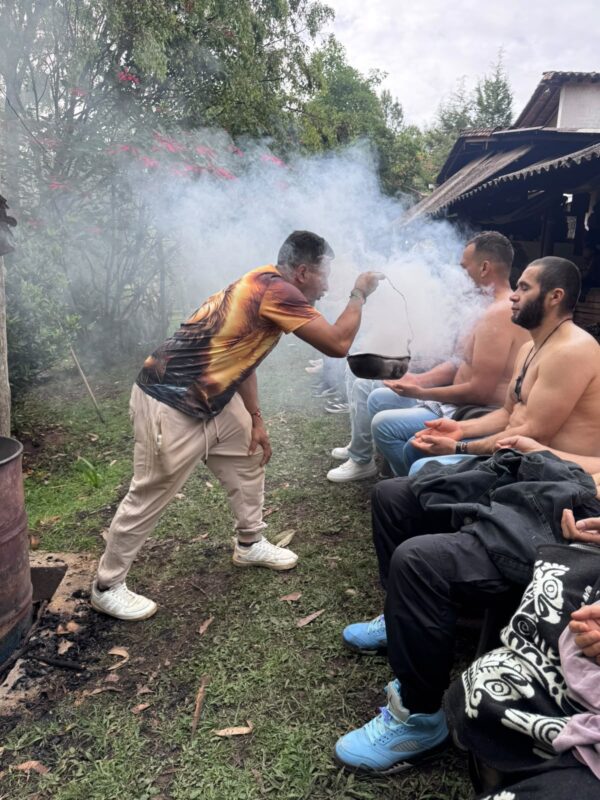
What to Expect at a Traditional Yagé Ceremony in Colombia
A traditional yage ceremony in Colombia offers an opportunity to learn about an ancestral practice deeply connected to Indigenous cultures, spirituality, and the natural world. Known internationally as Ayahuasca, Yagé has been used by different Indigenous communities across the Amazon and other regions of South America, with practices and traditions that vary between communities and lineages.
For travelers interested in experiencing this tradition, understanding the ceremonial setting, the role of the Taita, the preparation process, and the importance of safety can help them make informed decisions before attending.
At Psychotravels.co, we value ancestral knowledge, respect for tradition, and a welcoming environment where participants can learn about this cultural practice with guidance from an experienced Taita.
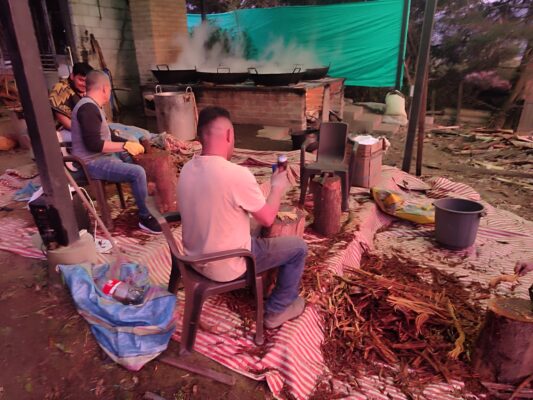
What Is a Traditional Yagé Ceremony in Colombia?
Yagé, also known as Ayahuasca, is a traditional plant preparation associated with Indigenous communities in parts of South America. Its cultural meaning, ceremonial use, and preparation vary according to the community and tradition.
In Colombia, Yagé ceremonies are associated with several Indigenous traditions, particularly in the Amazonian and southwestern regions. These practices may include prayers, songs, traditional instruments, periods of silence, and guidance from an experienced traditional practitioner.
For many Indigenous communities, Yagé is not simply a substance consumed during a gathering. It belongs to a broader cultural and spiritual framework involving ancestral knowledge, relationships with nature, community, and responsibilities passed between generations.
Understanding this context is an important first step for anyone considering participating in a ceremony.
The Role of the Taita in a Traditional Yagé Ceremony
The Taita plays an important role in many traditional Yagé ceremonies. The word is used in certain Colombian Indigenous contexts to refer to a respected traditional authority or practitioner with knowledge of ancestral practices.
The Taita’s responsibilities depend on the specific tradition and ceremonial setting. They may include guiding the ceremony, leading prayers or songs, observing participants, and providing support throughout the gathering.
Experience, cultural knowledge, and a responsible approach to participants are important considerations when choosing a ceremony.
At Psychotravels.co, our gatherings are guided by an experienced Taita whose knowledge is rooted in an ancestral tradition passed down through generations. Our approach emphasizes respect for the tradition, personal attention, and a supportive environment.
We encourage visitors to ask questions about a practitioner’s background, training, community connections, and approach to participant safety before making a reservation.
What Happens During a Traditional Yagé Ceremony?
Every ceremony is different. The structure depends on the Indigenous tradition, the practitioner, the location, and the needs of the gathering. However, several elements may help visitors understand what to expect.
1. Arrival and Welcome
A ceremony often begins with participants arriving at the ceremonial space and becoming familiar with the surroundings.
Depending on the setting, the group may receive an introduction to the tradition, the structure of the gathering, and the expectations for respectful participation.
This is also an appropriate time to ask practical questions, communicate concerns, and make sure you understand the arrangements for support during the ceremony.
At a traditional retreat, the ceremonial space may be a maloca or another designated gathering place. These spaces can carry cultural and spiritual significance, so visitors should follow the guidance of their hosts.
2. An Introduction to the Ceremony
Before the ceremony begins, the Taita or organizing team may explain the general process, the role of participants, and the importance of respecting the group and the ceremonial environment.
Participants should have the opportunity to communicate relevant health information and ask questions about the experience.
A responsible organizer should explain what support is available, how to request assistance, and what to do if someone feels physically or emotionally overwhelmed.
3. The Ceremonial Experience
The ceremony may involve periods of silence, traditional songs, prayers, or other practices associated with the particular lineage.
Participants can have different experiences. Some may experience strong emotions or personal reflections, while others may find the experience confusing, uncomfortable, or difficult to describe.
There is no single experience that everyone should expect, and no particular emotional or spiritual outcome is guaranteed.
It is important to approach the ceremony without pressure to experience something specific. Participants should feel able to communicate discomfort and request appropriate support.
4. The Role of Music, Silence, and Nature
Depending on the tradition, music and singing may be part of the ceremonial process. In other moments, silence and quiet reflection may be important.
The natural environment can also be meaningful to participants, particularly when ceremonies take place in rural or forested settings.
Rather than expecting a particular result, visitors can approach these elements with curiosity and respect for the cultural context in which they are practiced.
5. Reflection and Integration
After a ceremony, participants may benefit from rest, quiet reflection, and an opportunity to discuss their experience with an appropriate support person.
Integration refers to the process of reflecting on an experience and considering how to respond to any thoughts, feelings, or questions that arose. It does not require accepting every impression as a fact or making immediate decisions about one’s life.
Taking time to reflect, maintaining ordinary routines, and seeking qualified professional support when needed can be helpful after an intense experience.

How to Prepare for a Traditional Yagé Ceremony in Colombia
Preparation involves more than packing a bag or traveling to a retreat. It includes understanding the ceremony, communicating health information, and making an informed decision about participation.
Learn About the Tradition
Before booking, ask about the practitioner’s background, the cultural tradition represented, the ceremony’s structure, and the role of the organizing team.
A genuine interest in the tradition should include respect for the Indigenous communities and practitioners who preserve this knowledge.
Discuss Your Health and Medications
This is one of the most important steps before participating.
Ayahuasca can interact dangerously with certain medications and substances. In particular, combinations involving serotonergic medications, including some antidepressants, may pose serious risks.
People with certain medical conditions, including some psychiatric conditions, may also face increased risks.
Disclose all prescription medications, over-the-counter medicines, supplements, and relevant health conditions to a qualified healthcare professional before considering participation. Do not stop or change prescribed medication on your own to attend a ceremony.
Read the ICEERS Ayahuasca Safety Profile for additional information about potential interactions, contraindications, and psychological risks.
Follow Clear Preparation Instructions
Organizers may provide guidance about meals, alcohol, recreational substances, rest, and other preparations.
These instructions should be communicated clearly and should not replace medical screening. Dietary preparation alone cannot make an otherwise unsuitable participant safe to attend.
Ask the organizing team what is expected before arrival and disclose any concerns that could affect your participation.
Prepare Practically
If you are traveling to Colombia for a ceremony, confirm the location, transportation, accommodation arrangements, schedule, meals, and available support.
Bring comfortable clothing suitable for the climate and follow the organizer’s instructions about personal belongings.
Allow enough time for rest and avoid planning demanding activities immediately after an intense experience.
Is a Traditional Yagé Ceremony Safe?
It is important to approach this question honestly. Traditional context and experienced guidance can be valuable, but they do not eliminate every risk.
Ayahuasca can cause nausea, vomiting, diarrhea, changes in perception, intense emotional reactions, and other adverse effects. Drug interactions and certain pre-existing medical or psychiatric conditions can create more serious risks.
Before participating, ask whether the organizer conducts health screening, explains contraindications, obtains informed consent, provides appropriate supervision, and has a plan for medical emergencies.
You should never feel pressured to participate, consume a substance, disclose personal information publicly, or continue an experience when you need help.
For additional guidance, consult ICEERS resources on safety and harm reduction.
Choosing an Authentic Ayahuasca Retreat in Colombia
Travelers encounter many different types of ceremonies and retreats. Choosing an experience requires looking beyond photographs, promotional language, or promises of transformation.
Consider the following questions before making a reservation:
-
Cultural background: Can the organizers explain the tradition and the practitioner’s relationship to it?
-
Experience and responsibility: Who leads the ceremony, and what experience do they have?
-
Health screening: Are medications, medical history, and potential contraindications discussed before participation?
-
Participant support: Is there a clear process for requesting help during and after the ceremony?
-
Transparency: Are prices, transportation, accommodation, meals, and cancellation terms explained clearly?
-
Respect and consent: Are personal boundaries respected, with no pressure to participate in activities you do not want?
An authentic experience should be presented honestly. No responsible organizer can guarantee a particular spiritual outcome, cure, or personal transformation.
Experience a Traditional Yagé Ceremony Near Medellín
For travelers staying in Medellín, it is possible to explore traditional ceremonial experiences in the surrounding region of Antioquia.
Psychotravels.co welcomes international visitors interested in learning about ancestral plant traditions in a rural natural setting in Guarne, near Medellín.
Our approach is rooted in respect for the Taita’s ancestral knowledge, the ceremonial environment, and the importance of treating each participant with care and consideration.
We aim to provide clear information about the experience, practical arrangements, and preparation requirements so that visitors can make an informed decision before booking.
You can learn more about our authentic Ayahuasca retreat in Colombia or visit our Ayahuasca retreat near Medellín page for additional information about the location and experience.
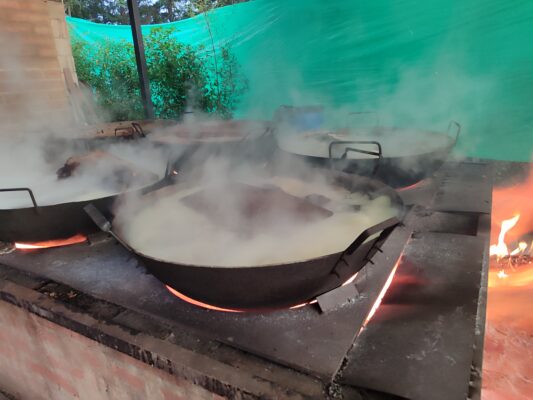
Frequently Asked Questions About Traditional Yagé Ceremonies
Is Yagé the Same as Ayahuasca?
The terms are often used to refer to related traditional plant preparations, but terminology and preparation can vary among Indigenous communities. It is best to ask about the specific tradition and preparation used in a ceremony.
How Long Does a Yagé Ceremony Last?
The duration varies depending on the tradition, practitioner, and event schedule. Ask the organizer for the expected start and finish times and allow adequate time for rest afterward.
Do I Need Previous Experience?
Not necessarily. Some ceremonies welcome first-time participants, but suitability should be assessed individually. Beginners should receive clear information, health screening, and an explanation of the available support.
What Should I Ask Before Booking?
Ask about the practitioner’s background, the ceremonial structure, health screening, medication interactions, emergency procedures, accommodation, transportation, and the support available after the ceremony.
Can I Attend if I Take Medication?
Some medications can interact dangerously with Ayahuasca. Consult a qualified healthcare professional who knows your medical history before considering participation. Never discontinue prescribed medication without the guidance of the prescribing professional.
Final Thoughts
A traditional Yagé ceremony in Colombia is best approached with respect, preparation, realistic expectations, and an understanding of its cultural context.
Learning about the Taita’s tradition, asking questions, communicating health concerns, and choosing a responsible setting are essential steps before deciding whether to participate.
For those interested in exploring this ancestral tradition near Medellín, Psychotravels.co provides information about its ceremonial approach, location, and booking arrangements.
