
When exploring ancestral medicines and ceremonial traditions in Colombia, two names often come up in conversations about expanded states of consciousness: Bufo and Ayahuasca.
Although both are associated with profound subjective experiences, they are fundamentally different. They contain different psychoactive compounds, have distinct cultural backgrounds, and produce experiences that can vary considerably in duration, intensity, and character.
For international travelers interested in traditional ceremonies in Colombia, understanding these differences is essential for approaching these practices with knowledge, respect, and realistic expectations.
In this guide, we explore the differences between Bufo and Ayahuasca, their origins, their effects on consciousness, their ceremonial contexts, and the importance of preparation, safety, and integration.
What Is Bufo?
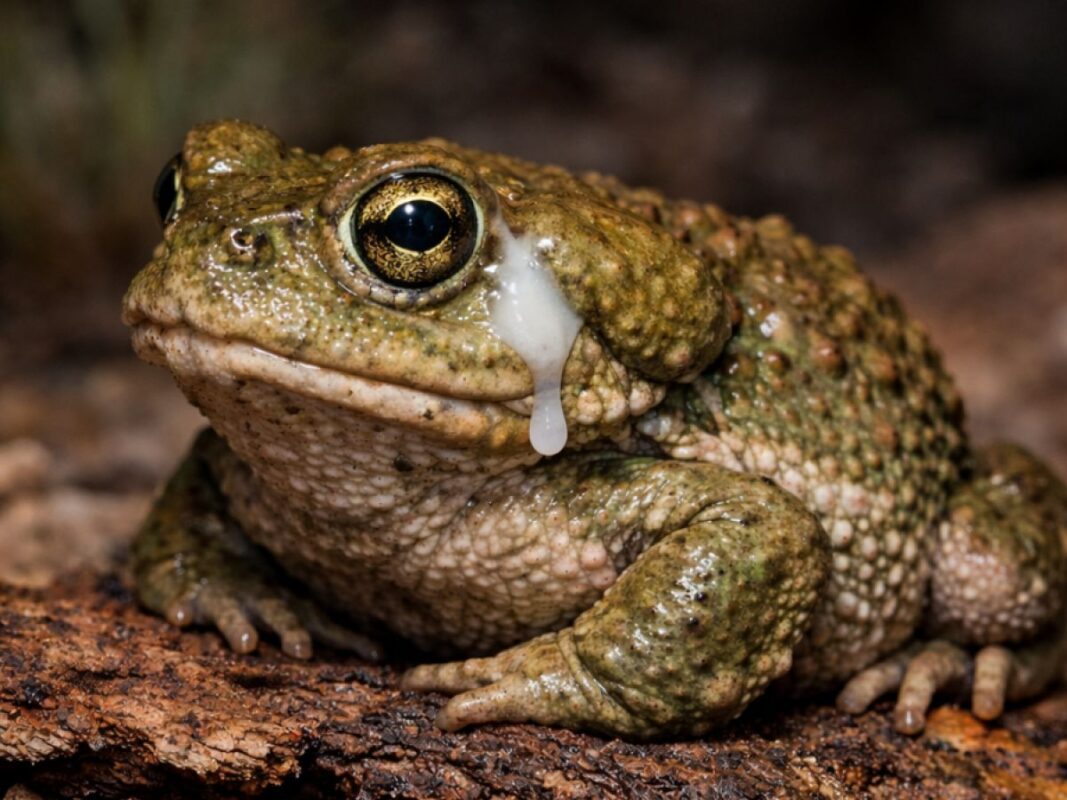
The term Bufo commonly refers to the psychoactive secretion associated with the Sonoran Desert toad (Incilius alvarius), historically known as Bufo alvarius.
This secretion contains 5-MeO-DMT (5-methoxy-N,N-dimethyltryptamine), a powerful psychedelic compound that acts primarily on serotonin receptors in the brain.
Unlike many other psychedelic substances, 5-MeO-DMT is generally associated with a rapid onset and relatively short duration of action. Experiences are frequently described as involving profound alterations in self-perception, a sense of unity, and what some participants call ego dissolution.
However, it is important to understand that the term Bufo is sometimes used loosely. Some contemporary ceremonies involve synthetic 5-MeO-DMT rather than material obtained from a toad. These are not identical preparations, and the distinction matters when discussing composition, safety, and ecological responsibility.
The Cultural Context of Bufo
The modern ceremonial use of Bufo has become more visible internationally in recent decades. However, its contemporary popularity should not automatically be interpreted as evidence of an ancient, continuous ceremonial tradition.
The cultural history of the Sonoran Desert toad and the origins of modern Bufo ceremonies are subjects that require careful consideration. Claims about ancient ritual use should be evaluated critically rather than accepted without historical evidence.
In Colombia, where Indigenous communities maintain diverse ancestral traditions involving medicinal plants, it is particularly important to distinguish between established cultural practices and more recent ceremonial adaptations.
What Is Ayahuasca?
Ayahuasca, known as Yagé in Colombia, is a traditional plant-based ceremonial brew associated with Indigenous peoples of the Amazon and surrounding regions.
It is commonly prepared using two principal plants:
- Banisteriopsis caapi, a vine containing beta-carboline alkaloids, including harmine and harmaline.
- Psychotria viridis, a leaf that contains N,N-DMT (N,N-dimethyltryptamine).
The combination is pharmacologically significant. The beta-carbolines in the vine inhibit monoamine oxidase A (MAO-A), allowing orally ingested DMT to become active.
Unlike 5-MeO-DMT, the DMT in traditional Ayahuasca is associated with a more prolonged experience when consumed in the brew.
But Ayahuasca is more than a chemical composition. In many Indigenous traditions, Yagé is part of a broader cultural and spiritual framework involving ancestral knowledge, ceremonial songs, community relationships, and the guidance of experienced traditional practitioners.
In Colombia, these practices vary among communities, and there is no single universal way of conducting a Yagé ceremony.
Bufo vs. Ayahuasca: Key Differences
Although both substances can profoundly alter consciousness, their differences are substantial.
| Feature | Bufo (5-MeO-DMT) | Ayahuasca (Yagé) |
|---|---|---|
| Main psychoactive compound | 5-MeO-DMT | N,N-DMT, combined with MAO-inhibiting alkaloids |
| Primary association | Sonoran Desert toad or synthetic compound | Amazonian and surrounding Indigenous plant traditions |
| Administration | Commonly inhaled in contemporary ceremonial settings | Traditionally consumed orally as a brewed preparation |
| Onset | Very rapid, often within minutes | Gradual, commonly beginning within 30–60 minutes |
| Duration | Generally minutes to around an hour, depending on administration | Commonly several hours |
| Subjective character | Often described as intense, with profound changes in self-perception | Often described as visionary, emotional, and introspective |
| Visual effects | Frequently less visually elaborate | Often includes vivid visual imagery |
| Ceremonial context | Varies considerably between facilitators and settings | Often rooted in established community-specific traditions |
| Preparation | Requires careful screening and preparation | Requires careful screening, dietary and medication review, and preparation |
| Integration | Important following intense experiences | Important following extended ceremonial experiences |
Note: These are general descriptions, not guarantees. Individual responses vary, and the duration and character of either experience depend on multiple factors.
1. Different Psychoactive Compounds
One of the most important distinctions between Bufo and Ayahuasca is their chemistry.
Bufo is primarily associated with 5-MeO-DMT, while traditional Ayahuasca contains N,N-DMT in combination with beta-carbolines.
Although these compounds belong to the broader tryptamine family, they interact differently with serotonin receptors.
Research indicates that 5-MeO-DMT has a particularly strong affinity for the 5-HT1A receptor, while the subjective effects of classic psychedelics such as N,N-DMT are commonly associated with 5-HT2A receptor activation.
These pharmacological differences help explain why the two experiences may feel so distinct.
It is therefore inaccurate to assume that Bufo is simply a shorter version of Ayahuasca or that both substances produce interchangeable effects.
2. Different Experiences of Consciousness
The Bufo Experience
People who describe Bufo experiences frequently report:
- A rapid alteration in ordinary awareness.
- A profound sense of unity or interconnectedness.
- A temporary loss of the usual sense of personal identity.
- Changes in the perception of time and the body.
- Intense emotional responses.
- Difficulty describing the experience through ordinary language.
Some participants interpret these experiences through spiritual or mystical frameworks. However, such interpretations are personal and should not be confused with established scientific explanations.
The experience can also involve fear, confusion, physical discomfort, or psychological distress. Its intensity should never be mistaken for a guarantee of personal growth or therapeutic benefit.
The Ayahuasca Experience
Ayahuasca is frequently described as a more extended journey involving different layers of perception, emotion, memory, and introspection.
Participants may report:
- Vivid visual imagery.
- Emotional memories and personal reflections.
- Changes in the perception of time.
- Feelings of connection with nature.
- Intense emotional experiences.
- Physical effects such as nausea and vomiting.
- A heightened awareness of thoughts, feelings, and personal experiences.
In traditional ceremonial settings, the experience may also be shaped by music, chanting, the environment, and the guidance of the Taita or other experienced practitioners.
These elements are not merely decorative. Within many traditions, they form part of the ceremonial framework through which participants understand and navigate the experience.
Nevertheless, no two ceremonies or participants are exactly alike.
3. Duration and Intensity
Another significant difference is the amount of time each experience typically occupies.
Bufo is known for its rapid onset and relatively short duration. Its effects may begin within minutes and often subside within approximately 15–60 minutes, although the experience and recovery period can vary.
Ayahuasca generally unfolds over several hours. The experience may involve different phases, including an initial onset, a period of heightened effects, and a gradual return to ordinary awareness.
However, shorter does not necessarily mean easier, safer, or less intense.
The rapid and powerful effects associated with 5-MeO-DMT can be psychologically and physically challenging. Similarly, the prolonged nature of Ayahuasca can require considerable emotional preparation and support.
Both experiences deserve respect, careful consideration, and appropriate supervision.
4. The Importance of Cultural Tradition
Understanding the cultural context of these practices is just as important as understanding their chemistry.
Ayahuasca and Indigenous Traditions in Colombia
Yagé has a long-standing place in the ceremonial and medicinal traditions of several Indigenous communities in Colombia and the wider Amazonian region.
Knowledge is transmitted through relationships between generations, community practices, and the guidance of traditional practitioners.
In the Pastos tradition of Putumayo, the role of the Taita is connected to ancestral knowledge and a broader understanding of the relationship between people, nature, and spiritual life.
A traditional Yagé ceremony is therefore not simply the consumption of a plant preparation. It takes place within a cultural framework that gives meaning to the practice.
For visitors seeking an authentic experience in Colombia, learning about the community, the Taita, and the origins of the tradition can provide valuable context.
Bufo and Contemporary Ceremonial Practices
Contemporary Bufo ceremonies are conducted in a variety of settings and may draw upon different spiritual, therapeutic, or personal-development frameworks.
However, these practices should not automatically be equated with the established Indigenous traditions associated with Yagé in Colombia.
Recognizing these distinctions helps travelers approach ancestral medicines with greater cultural awareness and avoid treating different traditions as interchangeable experiences.
5. Safety, Preparation, and Responsible Participation
Both Bufo and Ayahuasca can involve significant physical and psychological risks. Neither should be approached casually or solely on the basis of testimonials or promises of transformation.
Health Screening
A responsible process should include a review of relevant medical history, current medications, and psychological considerations before participation.
Certain cardiovascular conditions, psychiatric histories, and medication combinations may increase the risk of adverse reactions.
In particular, combining 5-MeO-DMT with monoamine oxidase inhibitors (MAOIs) can produce dangerous interactions, including serotonin toxicity. Ayahuasca also has important interactions with various medications and substances.
Participants should disclose all medications and health conditions to a qualified healthcare professional familiar with the relevant risks. Medications should never be stopped or adjusted without appropriate medical guidance.
Psychological Preparation
Preparation involves more than understanding what a substance does.
It includes becoming familiar with the setting, understanding the limits of the available support, considering personal expectations, and knowing how to communicate concerns.
Participants should also understand that intense experiences can be unpredictable and that no ceremony can guarantee a particular emotional, spiritual, or psychological outcome.
The Role of Experienced Facilitators
A responsible ceremonial environment should prioritize informed consent, clear communication, respect for personal boundaries, and an appropriate response to medical or psychological emergencies.
Facilitators should be transparent about their training, experience, the substances involved, and the nature of the support they provide.
Integration After the Experience
The period following a ceremony is an important part of the overall process.
Integration may involve rest, reflection, conversations with trusted people, journaling, or professional support when needed.
Rather than treating an intense experience as an end in itself, integration provides an opportunity to reflect on what happened and consider how it relates to everyday life.
6. Ecological Responsibility and the Sonoran Desert Toad
An important aspect of the Bufo discussion is the environmental impact of harvesting toad secretions.
The Sonoran Desert toad is a living animal, and the growing international interest in its secretion raises questions about wildlife conservation, responsible sourcing, and animal welfare.
These concerns have contributed to discussions about synthetic 5-MeO-DMT as an alternative to toad-derived material.
However, synthetic origin does not automatically establish that a substance is safe or appropriate for ceremonial use. Its identity, purity, handling, and context remain important considerations.
Respect for nature should extend beyond the ceremonial setting to the ecosystems and living beings associated with these practices.
7. Are Bufo and Ayahuasca Used for the Same Purpose?
Not necessarily.
People may approach either experience with personal intentions involving self-reflection, spirituality, emotional exploration, or a desire to understand their relationship with themselves and the world.
However, intentions do not determine outcomes, and subjective experiences are not equivalent to proven therapeutic effects.
Scientific research into 5-MeO-DMT is still developing, and the evidence is not sufficient to establish it as a treatment for specific mental health conditions. Research on Ayahuasca also remains an evolving field, with important questions about safety, effectiveness, and the role of ceremonial context.
It is important to distinguish personal accounts and traditional understandings from conclusions supported by controlled clinical research.
Neither substance should be considered a substitute for appropriate medical or psychological care.
8. Why Understanding the Difference Matters When Visiting Colombia
Colombia is home to diverse Indigenous cultures, landscapes, and ceremonial traditions. For international visitors, learning about these differences is an important part of approaching the country’s ancestral practices respectfully.
When exploring a ceremony, consider questions such as:
- What is the cultural origin of the practice?
- Who guides the ceremony, and what is their background?
- What substance or preparation is being used?
- Is the facilitator transparent about potential risks?
- Is there a clear process for health screening and informed consent?
- What support is available during and after the experience?
- Does the setting demonstrate respect for the community and its traditions?
These questions encourage a more informed understanding of ceremonial practices and help travelers distinguish between different approaches without reducing them to interchangeable products.
Frequently Asked Questions About Bufo and Ayahuasca
Is Bufo the same as Ayahuasca?
No. Bufo generally refers to 5-MeO-DMT associated with the Sonoran Desert toad or synthetic preparations of the compound. Ayahuasca, known as Yagé in Colombia, is a traditional plant brew containing N,N-DMT and beta-carboline alkaloids. They have different chemical compositions, durations, and cultural contexts.
Is Bufo stronger than Ayahuasca?
Strength is difficult to compare because the substances produce different effects. Bufo is often described as extremely intense and rapid, while Ayahuasca generally involves a longer experience with a different subjective character. Neither should be considered inherently easier or safer.
How long does a Bufo ceremony last compared with Ayahuasca?
The acute effects of 5-MeO-DMT commonly last minutes to around an hour, depending on the route of administration. Ayahuasca typically produces effects lasting several hours. Emotional processing and recovery may continue beyond the acute effects of either substance.
Is Bufo traditionally used in Colombia?
Bufo ceremonies are part of contemporary ceremonial practices found in different settings. They should not automatically be identified with the established Indigenous Yagé traditions of Colombia, which have their own histories, practitioners, and cultural frameworks.
Can Ayahuasca and Bufo be combined?
Combining 5-MeO-DMT with Ayahuasca or other MAOI-containing preparations can create serious pharmacological risks, including potentially life-threatening serotonin toxicity. Such combinations should not be undertaken. Anyone considering either substance should disclose all medications and relevant health conditions to a qualified healthcare professional.
Are Bufo and Ayahuasca scientifically proven treatments for depression or anxiety?
Neither should be presented as an established treatment for these conditions. Research into psychedelic compounds is ongoing, but preliminary findings and personal accounts are not sufficient to establish safety and effectiveness for general use. People experiencing mental health difficulties should seek guidance from qualified healthcare professionals.
What is the most important difference between Bufo and Ayahuasca?
The most important differences involve their active compounds, duration, subjective effects, and cultural contexts. Bufo is associated primarily with 5-MeO-DMT and a rapid, short-lived experience. Ayahuasca is a traditional plant brew with a longer duration and a ceremonial history deeply connected to Indigenous communities across the Amazon and surrounding regions.
Final Thoughts: Two Different Practices, Two Different Contexts
Bufo and Ayahuasca are often discussed together because both can profoundly alter human consciousness. Yet understanding their differences reveals why they should not be treated as equivalent experiences.
Bufo is associated with 5-MeO-DMT, a potent, fast-acting compound that can produce profound changes in self-perception. Ayahuasca, or Yagé, is a traditional plant preparation embedded in diverse Indigenous ceremonial practices, with a longer duration and a distinct cultural framework.
For anyone exploring ancestral medicines in Colombia, knowledge, cultural respect, informed consent, and responsible preparation are essential.
Understanding a tradition begins not only with learning about the medicine itself, but also with recognizing the people, knowledge, and cultural context that give it meaning.
Scientific references
The following peer-reviewed research supports the pharmacological and safety distinctions discussed in the article:
2. Psychedelic 5-Methoxy-N,N-dimethyltryptamine: Metabolism, Pharmacokinetics, Drug Interactions, and Pharmacological Actions — Current Drug Metabolism. Reviews metabolism and potentially dangerous interactions with MAO inhibitors.
3. A Narrative Synthesis of Research with 5-MeO-DMT — Journal of Psychopharmacology (2022). Discusses the current evidence base and the need for further controlled clinical research.
